

Are Compression Socks Useful for Everyday Training?
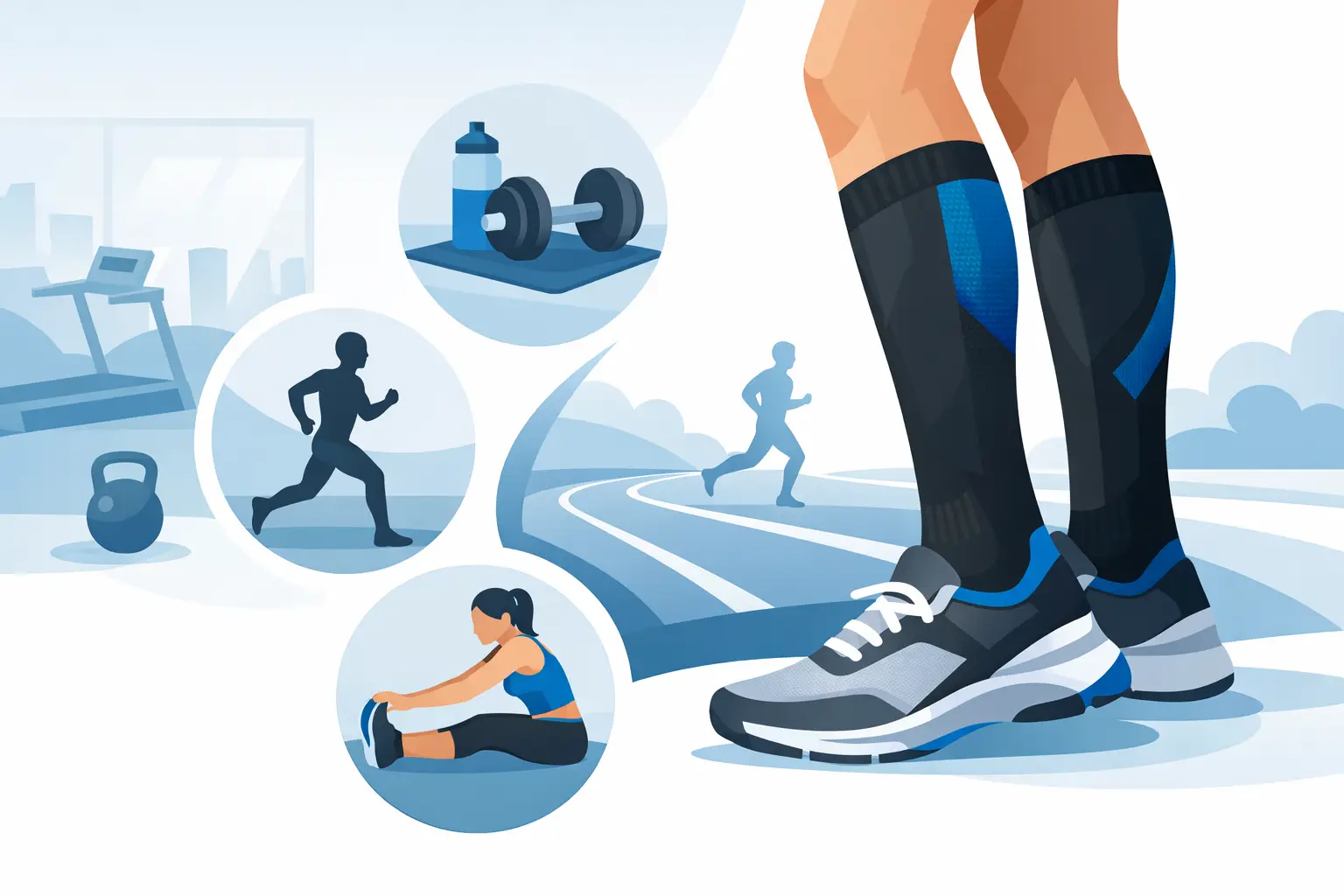
A heavy leg day is one thing. Legs that still feel heavy after a shift on your feet, a long drive or a flight are another. So, are compression socks useful? For plenty of active people, they can be a practical bit of kit for comfort and support. But they are not a miracle fix for fatigue, poor recovery or every leg problem.
Compression socks apply graduated pressure around the foot, ankle and lower leg. The pressure is firmest at the ankle and gradually eases higher up the calf. This is designed to support circulation back towards the heart and reduce the feeling of pooling or swelling in the lower legs. The result, for the right person and the right situation, can be legs that feel fresher and more supported.
Are compression socks useful for training?
They can be, especially if your training sits alongside a busy life. If you are on your feet at work, walk a lot, travel regularly or go straight from the gym to a long day, compression socks may help your lower legs feel less tired. Some people also like the close, secure feel during runs, gym sessions and team sport.
The key is keeping expectations realistic. Compression socks do not replace sleep, sensible training, food, hydration or proper rest days. They will not turn a poor session into a personal best. Research on direct performance gains is mixed, and any improvement during exercise is likely to be small and individual.
Where they often make more sense is comfort. A runner who gets achy calves after several miles may appreciate them. Someone doing squats, lunges and conditioning work may prefer the extra lower-leg support. If they help you feel comfortable enough to move well and stay consistent, that is a useful benefit in itself.
Why your legs may feel better in them
When you sit or stand for long stretches, fluid can collect around the ankles and lower legs. This can leave your feet feeling puffy, your socks digging in, and your calves feeling dull by the end of the day. Graduated compression helps apply gentle external pressure, which may limit that build-up and support venous return.
That is why compression socks are popular well beyond sport. They can be useful on a long-haul flight, during a long car journey where you are taking regular breaks, or through a shift that keeps you on the shop floor, in a warehouse or moving between jobs. They suit real life as much as gym life.
After training, some people find that wearing compression socks for a few hours reduces the feeling of muscle soreness or heaviness. The evidence is more encouraging for perceived recovery than for dramatic physical recovery changes. Put simply, you may feel better prepared for the next session, but the socks do not give you permission to ignore pain or train hard every day.
Compression levels matter more than the logo
Not every close-fitting sports sock is a compression sock. Many gym socks offer a snug cuff or arch support, which can feel great for training without providing measured graduated compression. Proper compression socks are generally sold by pressure level, often measured in mmHg.
For everyday comfort, travel and light activity, a lower level of compression is often enough. Moderate compression is commonly chosen by people who stand for work, train regularly or experience mild lower-leg swelling. Higher levels are more medical in nature and should not be bought on guesswork, particularly if you have an existing health condition.
A stronger sock is not automatically a better sock. If it is uncomfortable, leaves deep marks, causes tingling or makes your toes feel cold, it is not doing its job properly. Comfort and fit come first.
The fit should feel firm, not painful
A good compression sock should feel close and supportive from the ankle upwards, with no bunching behind the knee and no tight, rolled band at the top. It should not cause numbness, pins and needles, colour changes in the toes or pain.
Measure your ankle and widest calf point when your legs are not swollen, usually early in the day. Use the size guide for the specific product rather than assuming your usual shoe or clothing size will be right. This matters even more if you have muscular calves, are between sizes or have found standard sportswear restrictive in the past.
Pull socks on gradually rather than yanking them up from the top. Turn them inside out to the heel, place your foot in first, then smooth the fabric up the calf in sections. This gives a more even fit and helps the graduated pressure sit where it should.
When compression socks are most useful
Compression socks tend to earn their place when they solve a clear problem. They are worth considering if you regularly finish a run with tired calves, notice mild ankle swelling after standing, or struggle with stiff, heavy legs when travelling. They can also be a reliable part of a recovery routine after a tough training block.
For a gym session alone, the benefit is more personal. Some lifters prefer a regular performance sock with cushioning and a secure fit. Others like compression for treadmill work, circuits or calf-focused training. Try them during a normal session first, rather than wearing a new pair for race day, a big hike or an all-day event.
They are particularly practical for people balancing fitness with work and family commitments. When training is fitted around early starts, commutes and busy shifts, small comfort gains can make a difference. The best kit is often the kit you will genuinely wear again and again.
When to speak to a health professional first
Compression socks are widely used, but they are not suitable for everyone. If you have peripheral arterial disease, reduced circulation, diabetes with nerve or circulation complications, severe skin problems, heart failure, or a history of blood clots, get individual advice before using them. The same applies if you are pregnant and considering anything beyond light everyday compression.
Do not try to manage sudden or unexplained symptoms with sportswear. Seek urgent medical help for one-sided leg swelling, warmth, redness, significant calf pain, chest pain or shortness of breath. These symptoms need proper assessment, not a tighter pair of socks.
If you have varicose veins, regular swelling or ongoing discomfort, a pharmacist, GP or qualified clinician can help you work out whether compression is appropriate and what level may suit you. That is a far better route than choosing the strongest option on the shelf.
Make them part of a sensible routine
Compression works best alongside the basics. Move regularly if your day involves sitting or standing. Take walking breaks on journeys, keep hydrated, build calf and ankle strength, and give your body enough recovery between demanding sessions. If your legs are sore because your training load has jumped too quickly, the answer is usually to adjust the plan, not simply add more compression.
Wash compression socks after use according to their care label and replace them when they lose their stretch or no longer feel evenly supportive. A worn-out pair may look fine but will not provide the fit you bought them for. Choosing durable, comfortable sportswear is about value, not chasing expensive extras.
Compression socks are useful when they make your day or training feel better, not when they are sold as a shortcut. Choose a level that suits the job, get the sizing right, and listen to what your body is telling you. For people building stronger routines one session, shift and walk at a time, practical comfort is a result worth having.