What Gym Clothes Last Longest? A Practical Guide
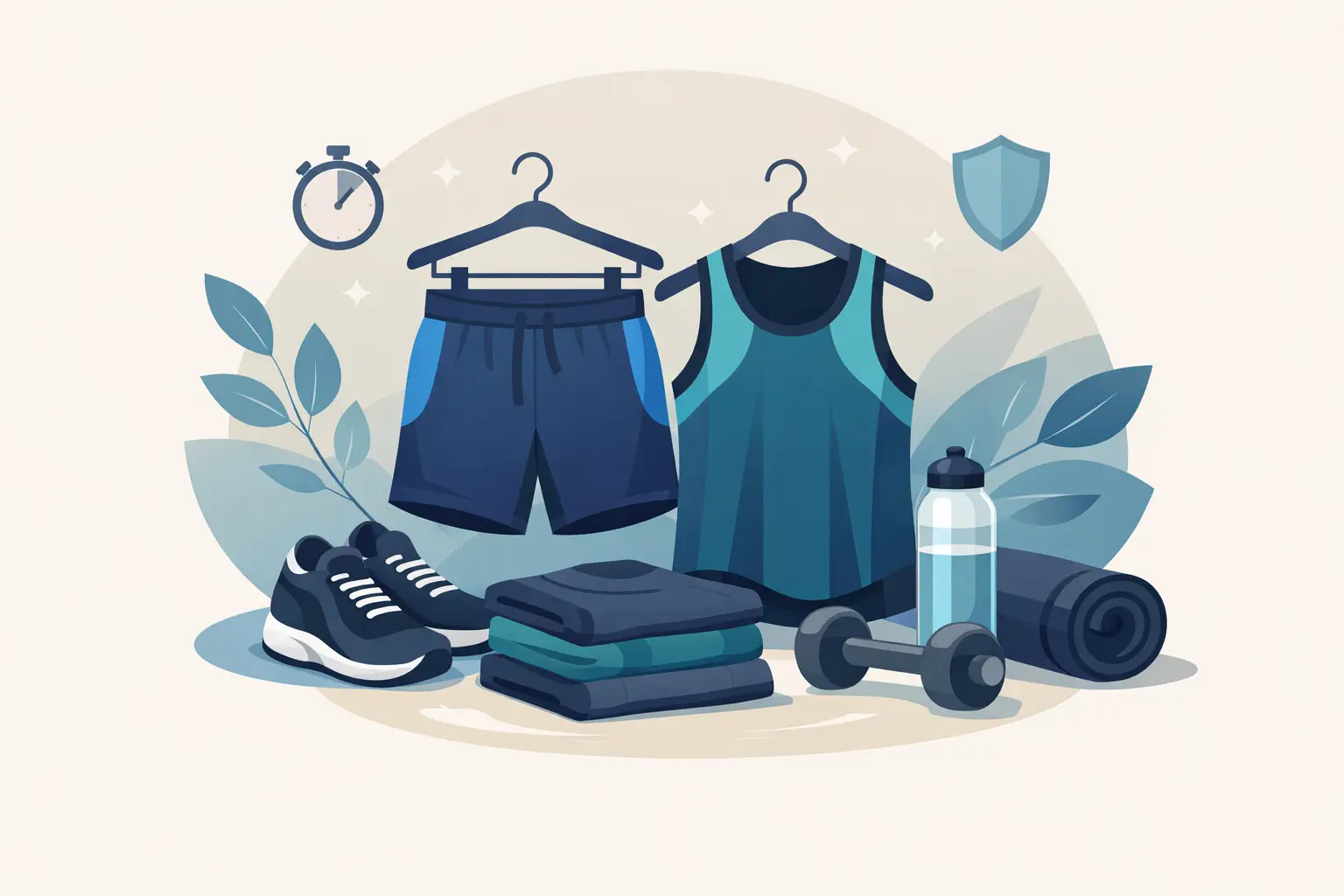
A hard training week can be rough on clothing. Leggings get stretched through squats, T-shirts hold sweat, and hoodies are thrown on for the walk home, the school run or a rest day. If you are asking what gym clothes last longest, the answer is not simply the item with the biggest price tag. It is the one made from the right material, built for how you train, and cared for properly after every session.
Long-lasting gym wear should feel good on day one and still earn its place in your wardrobe months later. For most people, that means clothing that keeps its shape, stays comfortable, handles regular washing and works outside the gym too.
What gym clothes last longest for regular training?
The longest-lasting gym clothes are usually made from well-balanced performance fabrics. Look for breathable polyester blends, nylon blends and cotton-rich pieces designed with enough stretch to move without becoming baggy. The best choice depends on the job the garment needs to do.
For high-sweat sessions, polyester and nylon are strong options. They are light, dry quickly and tend to hold their shape better than basic cotton when washed often. A good pair of training shorts, leggings or a performance T-shirt will often include elastane for flexibility. That small amount of stretch matters, especially when you are lifting, running or doing mobility work.
Cotton still has a place, particularly for relaxed training, walking, warm-ups and everyday wear. It is soft, breathable and comfortable against the skin. The trade-off is that 100% cotton can absorb more sweat, take longer to dry and lose shape faster if it is repeatedly washed hot and tumble dried. A cotton blend often gives you the comfort of cotton with better recovery and durability.
Thicker does not always mean better. Heavy fabric can feel strong, but it may trap heat and rub during a hard session. What you want is fabric with a solid feel, sensible stretch and stitching that does not look strained before you have even worn it.
Fabric matters, but construction matters too
Two garments can have similar fabric labels and perform very differently. The difference is often in how they are put together. Strong, tidy seams and a well-finished waistband help gym clothing cope with repeated movement and washing.
Check the areas that work hardest
Before buying, look closely at the parts likely to take the most pressure. On leggings, that means the inner thigh, crotch seams and waistband. On shorts, check the gusset, pockets and drawcord area. On T-shirts and hoodies, inspect the shoulder seams, neck ribbing and cuffs.
Flat or reinforced seams can reduce rubbing and help prevent threads working loose. A wide waistband on leggings or shorts is less likely to roll, dig in or lose its support quickly. For joggers and hoodies, ribbed cuffs and hems should have enough recovery to return to shape instead of hanging loose after a few wears.
Printed designs deserve a quick check as well. A quality print should look even and properly bonded to the fabric, not cracked or overly stiff from the start. Clothing made for regular wear should be able to handle being washed without the design peeling away after a handful of sessions.
Choose fit for movement, not the label
A garment that is too tight will put constant strain on seams and fabric. One that is too loose may catch, twist or wear unevenly. The longest-lasting fit is secure but comfortable, giving you room to move through a full range of motion.
This is especially relevant if your size is changing as part of a fitness or weight-loss journey. It can be tempting to squeeze into a smaller size as motivation, but gym clothing lasts better when it fits your body now. A comfortable fit also makes training easier to stick with, which matters more than the number on a label.
Inclusive sizing is not just a nice extra. It gives more people the chance to find training clothes that sit correctly at the waist, thighs, chest and shoulders, rather than settling for something that is close enough.
The best gym clothing by type
Different garments wear out in different ways. Building a small rotation around your usual training will make every item last longer.
Leggings and training shorts
For leggings, a nylon or polyester blend with elastane is usually the dependable choice. Look for fabric that is opaque when stretched and recovers quickly after you pull it. Thin fabric may feel soft initially, but it is more likely to become see-through, snag or lose support over time.
For shorts, choose a fabric that matches your workout. Lightweight performance shorts are ideal for running and conditioning, while a slightly more substantial cotton-blend or polyester short can work well for lifting and everyday wear. If you use pockets, make sure they are properly stitched and deep enough to be useful without pulling the shorts out of shape.
T-shirts, vests and base layers
A simple performance T-shirt can outlast several cheap fashion tees because it is designed to manage sweat and movement. Polyester-blend tops are practical for frequent workouts, while cotton-blend tees are a strong all-round option for lower-intensity sessions and casual wear.
Avoid very thin tops if you train several times a week. They can twist at the seams and lose their neckline faster. A slightly more substantial fabric tends to hold up better, particularly if it is also used for travelling, errands or layering under a hoodie.
Hoodies, joggers and layers
These are often the most worn items in an active wardrobe because they are used before training, after training and on rest days. A good hoodie or pair of joggers should have a comfortable inner feel without being so heavy that it becomes awkward for daily use.
Cotton-rich blends are usually a reliable option here. They offer warmth and softness, while a blend can help the garment keep its shape. Check the drawcord, pocket stitching and ribbed cuffs. Those details are often the first signs of whether a casual layer is made for repeat wear.
Buy fewer pieces, then rotate them
Wearing the same pair of leggings or the same training top every session is the quickest route to worn fabric and overstretched elastic. Even excellent gym wear needs time to dry fully and recover between uses.
A practical rotation does not need to be huge. Two or three pairs of shorts or leggings, several training tops and a dependable layer for cooler days will cover most routines. This spreads the work across your wardrobe and means you are less likely to wash an item in a rush before it has properly dried.
It also helps to separate your true workout kit from your everyday basics. You can still wear gym clothing casually, but keeping one or two pieces for demanding sessions preserves the items you rely on most for training.
Care is what makes good gym clothes last
The way you wash gym wear can either protect it or shorten its life. Sweat, deodorant and body oils need to be removed, but harsh heat and heavy detergent can damage elastic fibres over time.
Wash sweaty clothing soon after use where possible. Leaving damp kit in a gym bag for days can cause odour and make stains harder to shift. Turn printed tops, leggings and shorts inside out before washing to reduce surface friction.
Use a cool or 30-degree wash, follow the care label and avoid overloading the machine. Fabric softener is best avoided for most performance clothing because it can leave a coating that affects moisture-wicking fabric. Too much detergent can do the same, so use only what you need.
Air drying is one of the simplest ways to extend the life of gym clothes. High tumble-dryer heat can weaken elastane, shrink cotton and reduce the recovery of waistbands and cuffs. Hang items to dry away from direct radiator heat, and save the tumble dryer for items that specifically allow it.
Value means cost per wear, not just the ticket price
Affordable gym wear should not mean disposable gym wear. The real value of a hoodie, set or training top is how often you can reach for it and how well it performs each time. A garment that is comfortable for the gym, reliable for everyday life and still looks good after regular washing gives you far more for your money than a trend-led item that quickly loses its shape.
At Top Dog Clothing, the aim is straightforward: practical clothing built for training, comfort and repeat wear, with sizes that make it easier to find the right fit. When you choose solid fabrics, sensible construction and a fit that lets you move, your kit works harder for you.
The best test is simple. Choose gym clothes you will genuinely wear often, care for them properly, and pay attention to how they feel after the fiftieth session, not just the first one. That is where lasting quality shows itself.